



Most brands think about public relations only when something goes wrong. A bad review spreads, a crisis lands in the inbox, and suddenly everyone wants a PR strategy. That is the wrong time to build one. The brands that benefit most from PR are the ones that treat it as an ongoing investment rather than an emergency response.
What Public Relations Actually Does
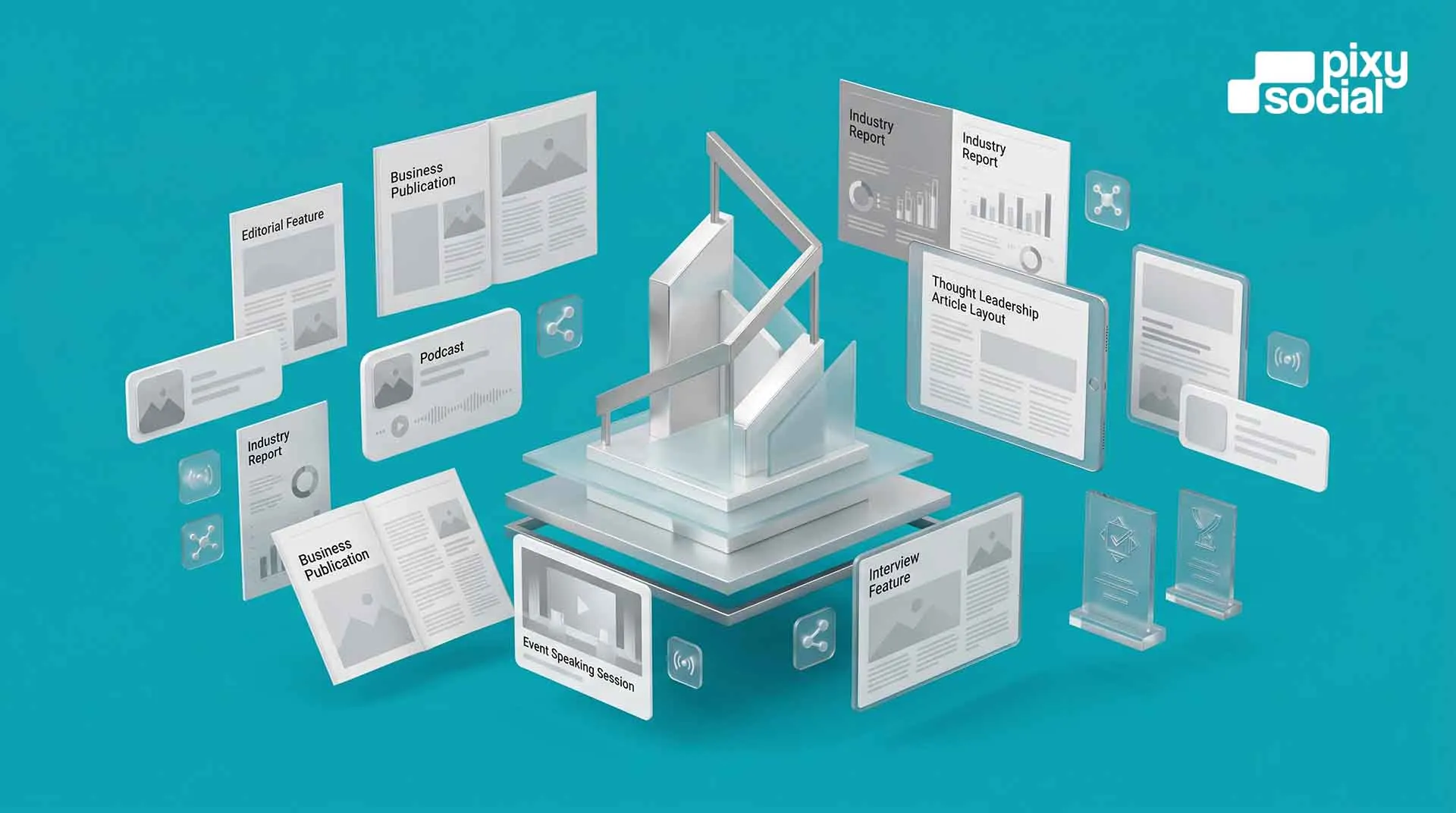
At its core, public relations is reputation management at scale. It is the discipline of shaping how your brand is perceived by the people who matter most: your customers, your investors, your industry peers, and the press. Unlike paid advertising, which puts your message in front of people who may or may not trust it, PR earns that trust through third-party validation. A journalist writing about your brand, a podcast featuring your founder, an industry publication citing your work as a case study — these carry a credibility that no ad budget can buy directly.
The Difference Between PR and Advertising
The simplest way to understand the difference is this: advertising is what you say about yourself, and public relations is what others say about you. Both matter, but they do different jobs. Advertising drives immediate action. PR builds the long-term reputation that makes advertising more effective. A consumer who has read a positive profile of your brand in a trusted publication is far more likely to convert when they see your ad later. The two work best when they are planned together rather than treated as separate budgets.
Media Relations: Getting Your Brand Into the Right Conversations
The most visible part of public relations is media relations — the work of building relationships with journalists, editors, and content creators who cover your industry. This is not about sending press releases into the void and hoping someone picks them up. It is about understanding what each journalist covers, what their audience cares about, and how your brand story genuinely intersects with that. A well-pitched story to the right person at the right time can generate coverage worth more than a months-long ad campaign. Pixy Social has built those relationships across print, digital, and broadcast media in India, which means your story reaches the desks where it will actually be read.
PR for Small and Mid-Sized Brands in Kolkata
One of the most common misconceptions about PR is that it is only for large companies with large budgets. That is not true and it has not been true for several years. The rise of digital media, regional publications, podcasts, and creator-led platforms has opened up more opportunities for smaller brands to earn meaningful coverage than ever before. A Kolkata-based food brand, a homegrown fashion label, a fintech startup — all of these have stories worth telling. The question is whether someone is telling them well and putting them in front of the right people.
Crisis Communication: When It Goes Wrong
No conversation about public relations is complete without addressing crisis communication. Every brand, at some point, will face a moment where public perception shifts quickly and not in its favour. How a brand responds in that moment — how fast, how honestly, and how consistently across channels — determines whether the damage is temporary or lasting. A prepared PR strategy includes a crisis framework built before it is needed: clear spokespersons, pre-agreed response protocols, and a communication chain that does not slow down when speed matters most.
Pixy Social offers public relations as a full-service capability alongside social media, content, and paid advertising. If your brand has a story worth telling and no one is telling it yet, that is exactly where we start.
Tell your story →